
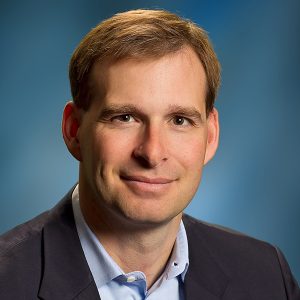
My name is Keith S. Whyte, and over the past several decades, I have dedicated my professional life to advancing responsible gambling and addressing the complex challenges associated with gambling-related harm in the United States.
My work has never been limited to a single discipline. Instead, I have operated at the intersection of public policy, advocacy, public health, and communication. Throughout my career, I have focused on one central mission: helping individuals, communities, and institutions better understand and reduce the risks associated with gambling.
Early Life and Educational Path
While my early life is not widely documented in public sources, my academic journey played a crucial role in shaping how I approach gambling-related issues. I pursued studies in public policy and political science, fields that gave me a strong foundation in understanding how systems operate and how change can be implemented at a structural level.
From early on, I was less interested in working solely within clinical or academic environments. Instead, I felt drawn toward policy development and real-world impact, where research could be translated into action.
This perspective would later define my entire career.
Entering the World of Public Policy
Before stepping into the field of gambling policy, I worked in areas related to government affairs and nonprofit advocacy. These early roles allowed me to build essential skills:
- Understanding legislative processes
- Communicating with policymakers
- Engaging stakeholders across sectors
These experiences taught me how complex systems function and how to navigate them effectively. They also prepared me for the role that would ultimately define my career.
Leading the National Council on Problem Gambling
In 1998, I became the Executive Director of the National Council on Problem Gambling (NCPG). At that time, public awareness of gambling addiction was still limited, and there was little coordination at the national level.
I saw an opportunity — and a responsibility — to help shape a more comprehensive and effective approach.
Building a National Voice
During my time at NCPG, I worked to transform the organization into a leading national authority on problem gambling. This involved:
- Expanding awareness campaigns across the United States
- Strengthening relationships with state governments
- Collaborating with healthcare providers
- Engaging with the gambling industry
I believed that meaningful change required collaboration, not isolation. That belief guided many of my decisions.
My Approach to Responsible Gambling
A Public Health Perspective
One of the most important shifts I advocated for was framing gambling harm as a public health issue, rather than solely an individual problem.
This meant focusing on:
- Prevention
- Early intervention
- Population-level strategies
I drew inspiration from how society addresses other issues such as substance use and mental health.
Expanding Access to Help
I have been deeply involved in efforts to expand access to support systems, including national and state helplines. Ensuring that people can easily find help is one of the most practical and impactful steps we can take.
These systems are not just resources — they are lifelines.
Working with Policymakers
Throughout my career, I have spent significant time working with legislators and regulators. I have testified, advised, and contributed to discussions around gambling policy.
My goal has always been to find balance — to support economic development while also protecting consumers.
Collaborating with the Industry
Some people are surprised by my willingness to work with the gambling industry. For me, collaboration has always been essential.
By engaging with operators, I have been able to help develop:
- Responsible gambling tools
- Player protection systems
- Industry standards
I believe that progress comes from engagement and accountability, not avoidance.
Communicating with the Public
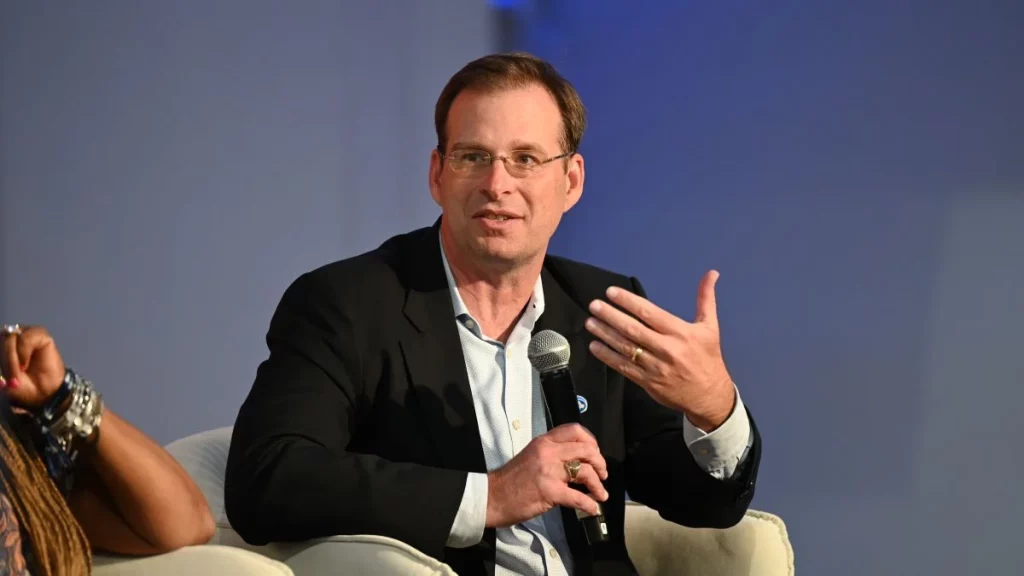
A large part of my work has involved speaking with the media and the public. I have appeared in interviews, participated in conferences, and contributed to national conversations about gambling.
Clear communication is critical. Complex issues need to be understood by everyone — not just experts.
Contributions and Work Overview
My Career Timeline
Areas of My Work
Founding Safer Gambling Strategies
After many years leading the NCPG, I decided to begin a new chapter by founding Safer Gambling Strategies. This allows me to continue my work in a more flexible way, providing guidance to organizations, regulators, and stakeholders around the world.
Reflections on My Work
Looking back, I see my career as an effort to connect different worlds:
- Research and policy
- Industry and public health
- Awareness and action
This work has never been simple. It involves difficult conversations, competing interests, and evolving challenges.
But it is also deeply meaningful.
Challenges and Criticism
I am aware that my approach — particularly my willingness to collaborate with industry — has faced criticism. Some believe that stronger separation is necessary.
I respect those perspectives. At the same time, I continue to believe that engagement, when done responsibly, can lead to real and measurable improvements.
Ongoing Impact
Even today, I remain committed to advancing safer gambling practices. The landscape continues to evolve, especially with the growth of online and mobile platforms.
There is still much work to be done.
My journey has been shaped by a simple but powerful goal: to reduce harm and improve lives.
Whether through policy, advocacy, or collaboration, I have always tried to move the conversation forward — to make gambling safer, more transparent, and better understood.
My Vision for the Future of Responsible Gambling
Looking ahead, I believe the future of responsible gambling will be shaped by how effectively we integrate technology, policy, and human-centered support systems. The rapid growth of online platforms and mobile betting has created new opportunities, but it has also introduced new risks that require proactive and adaptive solutions.
One of my key priorities is encouraging the development of data-driven responsible gambling tools. Operators now have access to real-time behavioral data, which can be used to identify early signs of risk and intervene before harm escalates. When used ethically, these tools can significantly improve player protection.
At the same time, I see a growing need for stronger collaboration between stakeholders. Governments, regulators, healthcare professionals, and the gambling industry must work together to create unified standards that prioritize safety without limiting innovation.
Education also remains essential. Players need clear, accessible information about risks, odds, and available support resources. The more informed individuals are, the better equipped they are to make responsible decisions.
Ultimately, my vision is simple: a gambling environment where entertainment and safety coexist, and where reducing harm is a shared responsibility across the entire ecosystem.